

Vattenfall Finalizes Investment for Germany’s Largest Offshore Wind Project


- Details
- Category: Energía y Combustibles
- Published on Monday, 19 January 2026 23:47
- Written by Administrator2
- Hits: 251
 Published Jan 13, 2026 8:48 PM by The Maritime Executive
The permit issued by the Federal Maritime and Hydrographic Agency (BSH) has become irrevocable, making the final step to move forward with the project. Vattenfall had announced in March 2025 that it had made the investment decision for the project, conditional on the receipt of the necessary permits. The company agreed to repurchase the shares in the Nordlicht cluster that BASF acquired in 2024. At the same time, BASF secured access to a long-term supply of renewable electricity, as part of the agreement. The companies said the agreement would secure renewable power for BASF’s chemical production in Europe at a time when such additional supply will be needed.
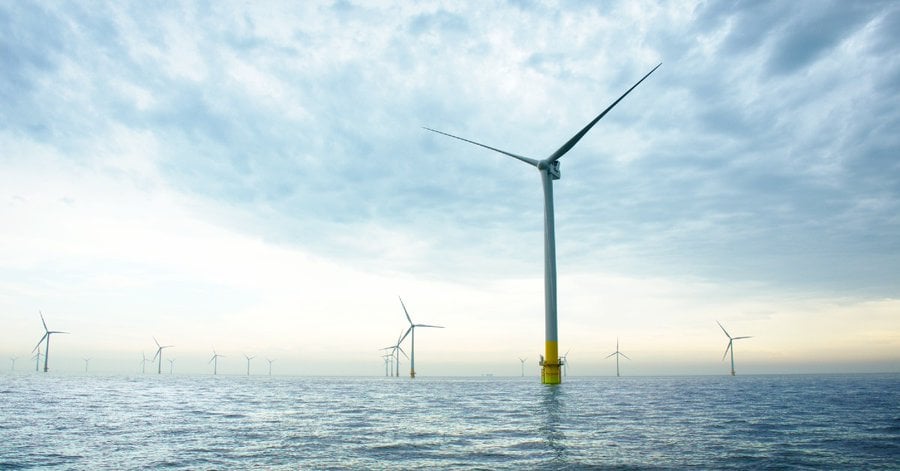
The Nordlicht wind cluster will be located just over 50 miles north of Borkum in the German region of the North Sea. The company reports monopile installation for Nordlicht I is expected to begin in the third quarter of this year, and when completed, the 980 MW project will be the largest capacity offshore wind farm in Germany. The second phase will add a further 630 MW. Nordlicht II should begin construction in 2027, and both wind farms are expected to be operational in 2028, adding over 1.6 GW to Germany’s energy supply. Electricity production is expected to total around 6 TWh annually.
Catrin Jung, Senior Vice President, Head of Business Area Wind for Vattenfall, called this a “defining moment” for the project. “This project is about more than building offshore wind capacity – it’s about strengthening Europe’s competitiveness and reducing reliance on fossil fuels. By producing clean electricity locally, we help create a more resilient energy system,” said Jung.
The decision to move forward on the project comes as Germany, like other Northern European countries, has experienced reduced interest in future projects due to the challenges and economic pressures on the industry.