

Iran says Iraqi ships can pass Strait of Hormuz as transits tick up


- Details
- Category: Marina Mercante
- Published on Sunday, 05 April 2026 06:21
- Written by Administrator2
- Hits: 218
Tehran says Iraq will face no restrictions in waterway, praising country’s ‘struggle’ against the US.Save

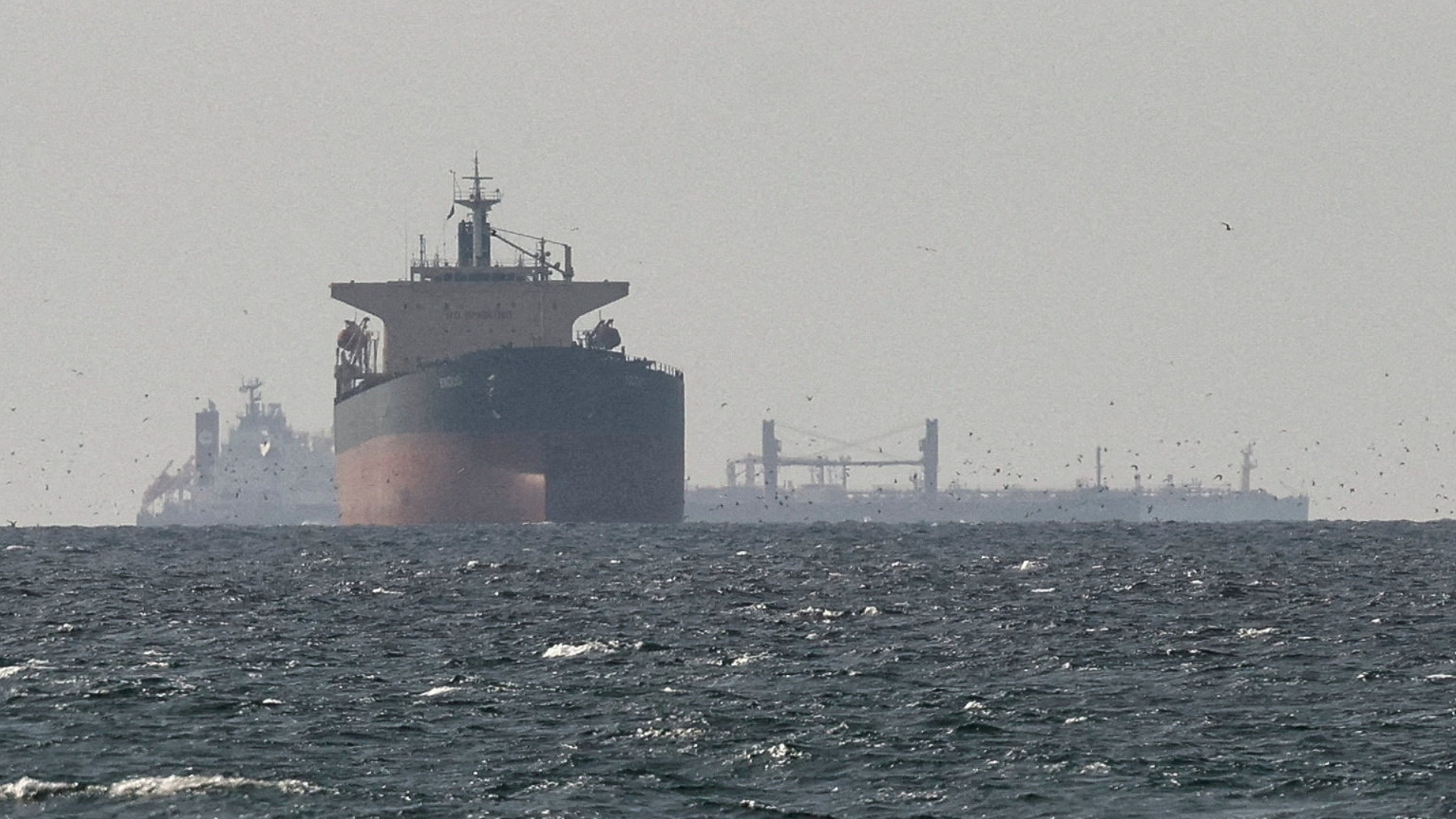
A cargo ship in the Gulf, near the Strait of Hormuz, as seen from northern Ras al-Khaimah in the United Arab Emirates, on March 11, 2026 [Reuters]

Iran has announced that Iraqi ships are free to pass the Strait of Hormuz, the latest sign of Tehran easing its stranglehold on the critical conduit for global energy supplies.
Iraq will be exempt from all restrictions in the strait, with controls only applying to “enemy countries”, Iran’s Khatam al-Anbiya Central Headquarters said in a statement on Saturday.
Recommended Stories
list of 4 items- list 1 of 4Car slams into Louisiana Lao New Year parade, injuring about 15 people
- list 2 of 4Giuffre family urges UK’s King Charles to meet Epstein survivors in US
- list 3 of 4Lewandowski claims late La Liga win for Barcelona at Atletico
- list 4 of 4Israeli measures tighten grip on Hebron’s Ibrahimi Mosque
“We hold profound respect for Iraq’s national sovereignty,” the military command said in the statement carried by the semi-official Tasnim news agency.
“You are a nation that bears the scars of American occupation, and your struggle against the US is worthy of praise and admiration.”
Iran’s announcement came as US President Donald Trump reiterated his demands for Tehran to make a deal or relinquish control of the waterway, warning in a social media post that “all hell” would rain down within 48 hours otherwise.
Iran’s Khatam al-Anbiya Central Headquarters rejected Trump’s demand, calling his threat a “helpless, nervous, unbalanced and stupid action”.
-
Now Playing
Will force be used to reopen Strait of Hormuz? | Inside Story
-
Next

How will Pakistan deal with the fallout from war on Iran? | Inside Story
-
US negotiations with Iran: Tehran does not accept 15-point plan by Washington
-

UK businesses struggle as costs surge amid war on Iran fallout
-

Panama Papers: 10 years on
Iran has effectively blockaded the strait, which usually carries about one-fifth of global oil and liquified natural gas supplies, since the US and Israel launched their war on the country on February 28.
While maritime traffic has ticked up in recent weeks under a de facto toll booth system imposed by Tehran, it is still down more than 90 percent from normal levels, according to ship tracking data.
According to Lloyd’s List Intelligence, there were 53 transits through the strait last week, the most since the war began, up from 36 the previous week.
On Friday, a French container ship and a Japanese-owned tanker crossed the strait in the first apparent transits linked to either country since the start of the conflict.
The collapse of shipping in the waterway has thrown a wrench in global energy markets, pushing up fuel prices and prompting authorities in many countries to roll out emergency energy conservation measures.
Brent crude, the international benchmark, has hovered above $109 a barrel in recent days, with many analysts predicting prices to surge much higher if the waterway is not unblocked soon.
Iraq’s oil production, which provides most of Baghdad’s revenues, has been hit especially hard by the war.
Iraq’s Ministry of Oil announced last month that production had fallen to 1.2 million barrels a day, down from 4.3 million barrels, amid declining crude shortage capacity due to the effective halt of exports through the strait.
Iraq was the world’s sixth-biggest oil producer in 2023, accounting for 4 percent of global supply, according to the US Energy Information Administration.