

Officer shortfall to reach decade high by 2026


- Details
- Category: General
- Published on Friday, 04 June 2021 14:58
- Written by Administrator2
- Hits: 975
02 de Jun 2021
The current officer supply shortfall is estimated to equate to around 3% of the global pool, which is broadly manageable and is not noticeably impacting hiring, but is to some extent masked by the temporary idling of vessels in certain sectors such as cruise, due to the Covid-19 pandemic. Ratings supply is much more elastic due to lower entry requirements and short training periods.
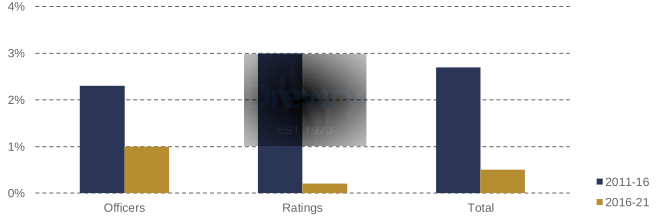
However, looking ahead to 2026 the supply / demand gap is expected to widen to a deficit equating to over 5% of the global officer pool and the highest level since 2013. The principal reason for this is the slowdown in officer supply as the attractiveness of a career at sea is diminishing. In the five years to 2016 the supply of seafarers available to crew the global merchant fleet was growing at an average annual rate of 2.7%, according to Drewry estimates. However, over the last five years this growth rate has shrunk to just 0.5% annually (see chart).
“With the ongoing negative effects of life at sea brought about by the Covide-19 pandemic, some seafarers may bring retirement plans forward, while others may look for work ashore,” said Drewry’s head of manning research Rhett Harris. “It has been the case for a number of years that quality officers have been difficult to recruit and retain. This situation is expected to get worse as the growth in supply fails to keep pace with an expanding world fleet.”
Changes in seafarer supply (2011-16 Vs 2016-21, % CAGR)
Despite these trends, underlying aggregate manning costs, excluding the impact of Covid-19, are expected to rise moderately in 2021, according to Drewry estimates, increasing just 0.4% over the year, a similar pace to last year. Looking further ahead, tightening labour market conditions and better affordability will drive up crewing costs, but increases will remain below the prevailing rate of consumer price inflation.
“While ratings supply has slowed, availability is relatively elastic and wage levels will remain driven by collective bargaining arrangements,” explained Harris. “By contrast, officer remuneration is more market driven but the widening shortage of officers is expected to affect the quality more than the quantity available for service. Drewry therefore expects employers currently paying low-wages will be more affected by fallout from the COVID-19 pandemic, as disgruntled seafarers are enticed to better paying owners or different roles ashore.”
COMENTAROS DE AEMC
Las condiciones de vida y trabajo en la mar son actualmente de alto riesgo, agotadoras y miserables. La pandemia del COVID 19 lo ha confirmado con creces. Los índices mejorando al actual estatus, sino degradando más aún los requisitos de acceso a la profesión. La degradación de la calidad profesional seguirá en progreso y la siniestralidad, con sus tributos en vidas y enfermedades laborales seguirá en cotas intolerables. Las costes de las agresiones medioambientales por incendios, varadas, colisiones etc. serán transferidas a los presupuestos de los países afectados. El capitalismo salvaje seguirá dominando mares y océanos. La burocracia a bordo se incrementará para facilitar datos a los burócratas parásitos que controlarán desde tierra.
La literatura sobre compromisos para incrementar las condiciones de seguridad llenará titulares y los “compromisos” institucionales se prodigarán en forma de mensajes prometedores, pero la realidad en que en la mar dominan la burocracia parasitaria, el militarismo y el capitalismo salvaje, amparado por soberanís de tenderete.